Chat Coding Edge AI Agent Framework for IoT


Chat as Creation
LLM + Lua Hybrid Engine
Define device behavior through natural conversation. LLM handles dynamic decisions; confirmed scripts solidify into local Lua rules that execute deterministically—even offline.
Millisecond Response
Event-Driven Architecture
Devices react to real-time events instead of polling. A local event bus drives Lua rules for sensors and triggers, guaranteeing deterministic millisecond-latency response on or offline.
Plug and Play
MCP Unifies Everything
Devices self-declare capabilities via MCP, replacing per-device adapters. ESP-Claw acts as both MCP Server and Client—exposing hardware to agents while calling external services.
Grows with You
On-Chip Private Memory
Structured long-term memory lives entirely on-chip. Preferences and routines auto-extracted from conversations and events never leave the device. Tag-based retrieval stays efficient within MCU constraints.
What's missing after IoT?
Traditional IoT stops at simple connectivity. Devices can connect but not think; execute but not decide. Heavy cloud reliance and rigid rules keep them purely passive.
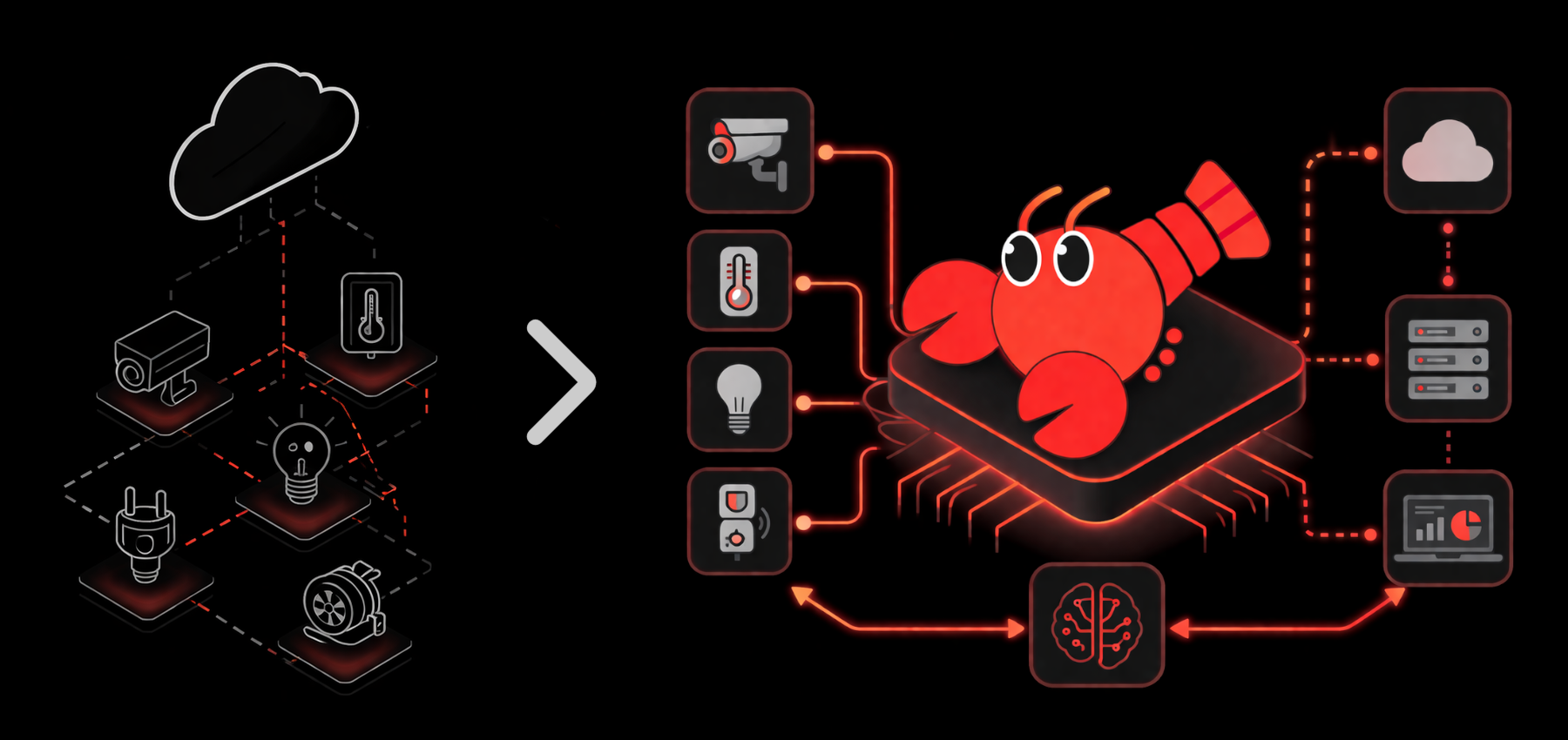
ESP-Claw pushes the Agent Runtime directly to the edge, transforming ESP chips from passive "execution nodes" into active "decision centers" that perceive, reason, and act locally—breaking free from cloud dependency.
Technological Advantages of ESP-Claw
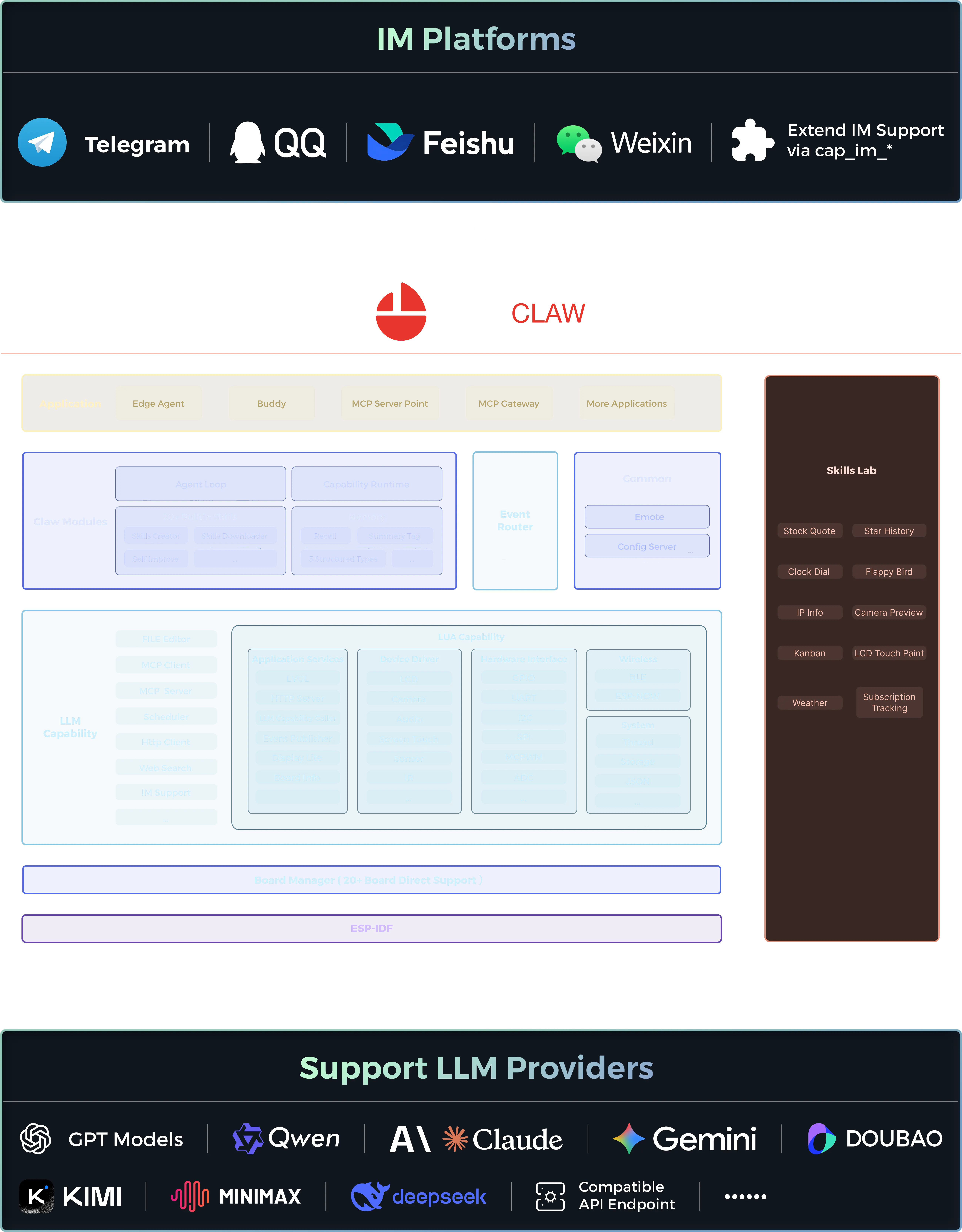
No Programming Required, "Chat as Creation"
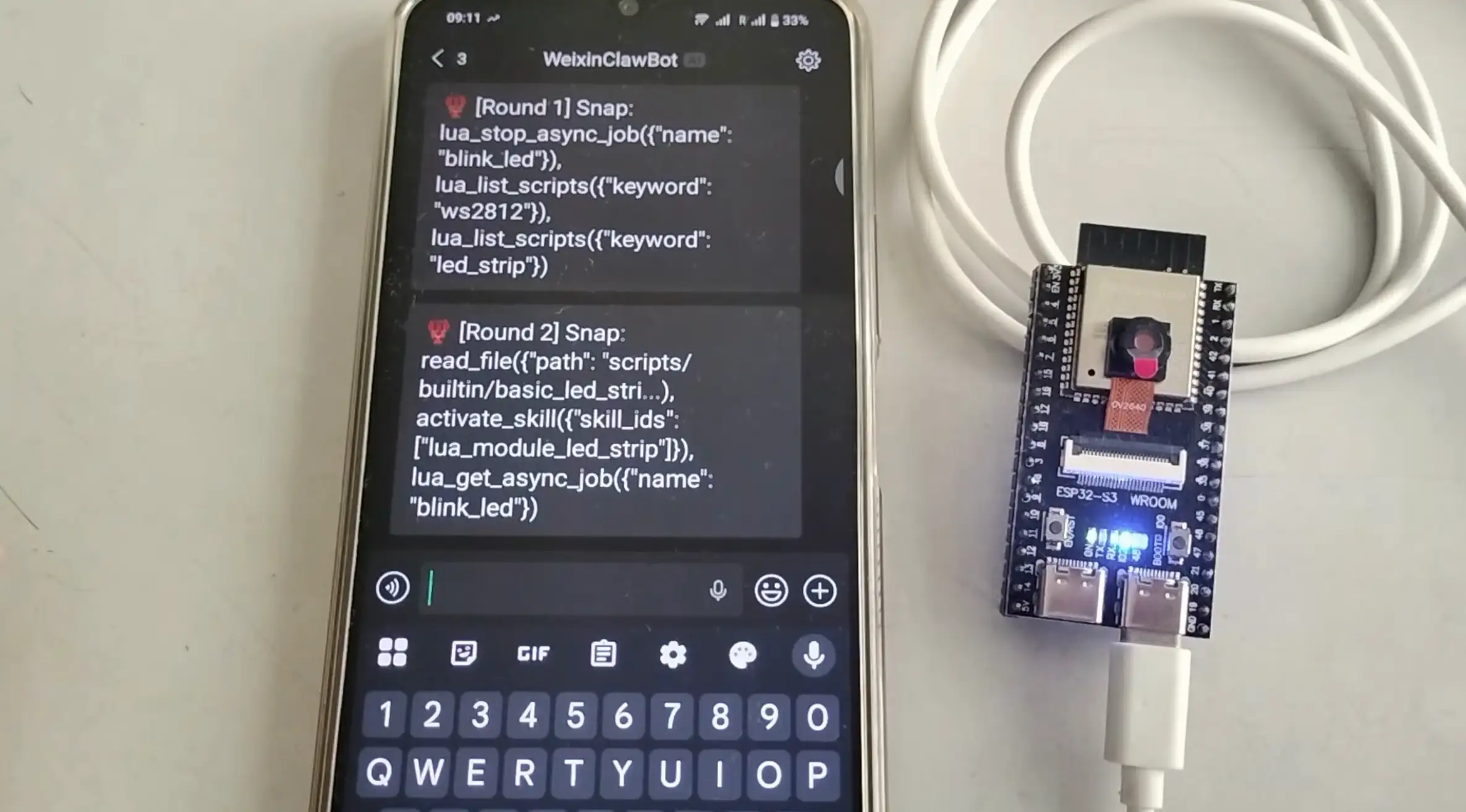
Generate various driver codes through natural language descriptions. Just send requirements via IM.
Complex Applications, Handled with Ease
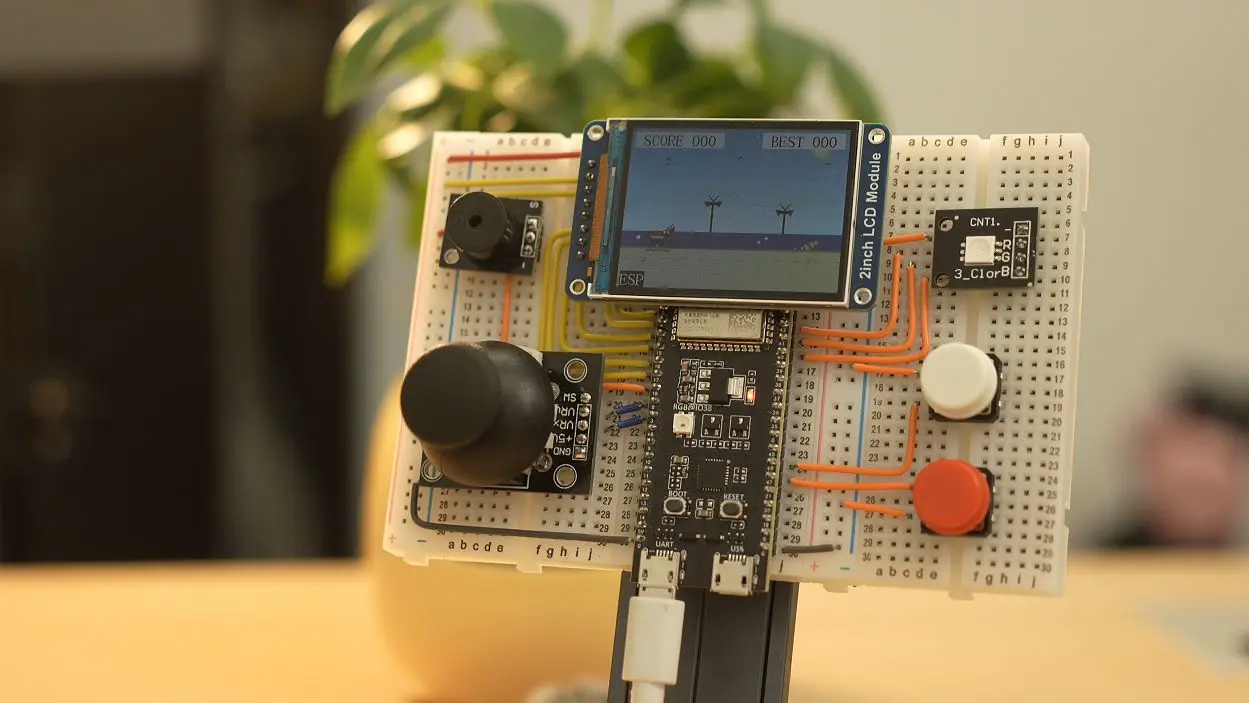
Combine multiple peripherals freely, orchestrated by LLM, to realize complex applications.
Stable Operation for Critical Tasks
Critical operations can be saved as Lua scripts. Reproducible execution ensures stable operation.
Event-Driven, Proactive Perception
Adopts an event-driven architecture, balancing local swiftness and LLM flexibility for cloud-edge collaboration.
Standard Interfaces, Smart Expansion
Compatible with standard MCP protocol, supporting both Client and Server modes.
Understands Your Needs, Adapts to You
Implements a localized structured long-term memory system. Intelligently records user preferences and habits, saved locally.